Chemical Peel Treatment for Dark Spots on Face: Best Types & Costs 2026
27 April 2026
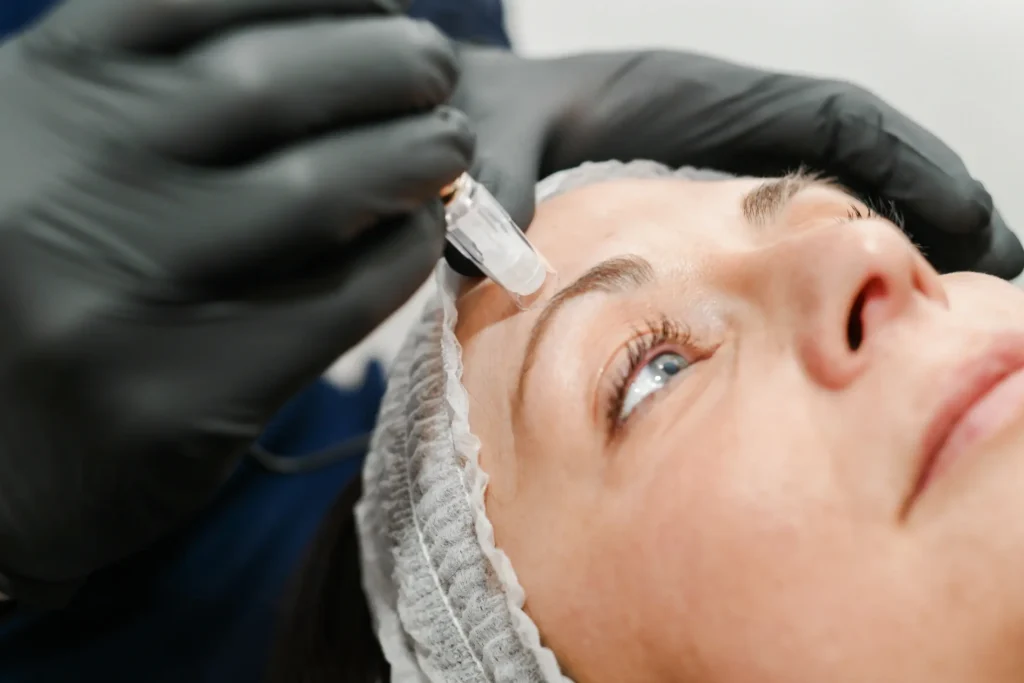
If dark spots on your face, neck, or hands are making your skin look uneven, dull, or older than it is, a chemical peel treatment for dark spots can be an effective solution. At The Hamble Clinic, chemical peels are used to gently exfoliate damaged layers of skin, revealing a brighter, smoother complexion underneath. This guide explains when and how chemical peel treatment for dark spots can help you, the types of peels we offer, and what recovery looks like.
What Are Dark Spots and How Do They Form?
Dark spots, medically known as hyperpigmentation, occur when the skin produces more melanin in certain areas than others. Common causes include:
- Sun exposure – UV rays trigger excess pigment, leading to sun spots and age spots.
- Acne or injury – post‑inflammatory hyperpigmentation can leave lingering marks after a breakout, cut, or burn.
- Hormonal changes – melasma often appears on the cheeks, forehead, and upper lip during pregnancy or while using hormonal medication.
- Sun damage over time – long‑term exposure without consistent protection gradually creates uneven tone.
Left untreated, these spots may fade only very slowly, or not at all, with topical products alone. That’s where chemical peel treatment for dark spots comes in.
How Does Chemical Peel Treatment for Dark Spots Work?
A chemical peel treatment for dark spots works by applying a carefully formulated chemical solution to the skin. This solution gently breaks down the bonds between dead or pigmented cells on the surface, encouraging them to shed and making room for new, healthier skin underneath.
At the same time, peels stimulate collagen and elastin production, improving overall skin texture and resilience. The depth of the peel is chosen based on your skin type, the severity of your dark spots, and how much downtime you’re comfortable with.
Common benefits of this treatment include:
- A more even skin tone
- Noticeable fading of dark spots, sun spots, and age spots
- Softer texture, smaller pores, and reduced dullness
- Improved absorption of serums and moisturisers after healing
Types of Chemical Peels for Dark Spots
At The Hamble Clinic, we select peels according to your skin condition and goals. Here are the main types that work well for chemical peel treatment for dark spots.
Light Peels (Glycolic Acid)
Light peels are ideal for first‑time patients or those with mild discolouration. Glycolic acid is an alpha‑hydroxy acid that gently exfoliates the very top layer of skin, making it effective for:
- Subtle sun spots and uneven tone
- A mild “dull skin” appearance
- Slight texture and pore concerns
These peels usually involve minimal downtime and can be repeated as part of a course.
Mandelic Acid Peel
Mandelic acid is a gentle, larger‑molecule peel that penetrates more slowly into the skin. It works well for:
- Very sensitive skin or rosacea‑prone complexions
- Redness‑linked dark spots
- Those who want a “glow” effect without strong irritation
Because it has antibacterial and anti‑inflammatory properties, mandelic acid is particularly helpful when dark marks are linked to redness or inflammation.
Salicylic Acid Peel
Salicylic acid is a beta‑hydroxy acid that is oil‑soluble, meaning it can penetrate deep into pores. This makes it an excellent choice if:
- Dark spots are related to acne or post‑acne marks
- Skin is oily or prone to breakouts
- Texture and congestion are concerns as well
This peel helps clear trapped sebum and pigment, reducing both spots and active acne.
TCA Peel (Trichloroacetic Acid)
A TCA peel is a medium‑depth chemical peel that reaches further into the skin layers. It is typically recommended when:
- Dark spots are deeper or more stubborn (melasma, sun damage, age spots)
- Texture and fine lines are also a concern
- A stronger, more noticeable change is desired
TCA peels can deliver dramatic improvements, though they usually involve several days of peeling and require careful aftercare.
What to Expect During Your Treatment
A chemical peel treatment for dark spots at The Hamble Clinic is a straightforward in‑clinic procedure. Here’s a typical outline of the process:
- Consultation and skin assessment
We review your skin type, medical history, and concerns to choose the right peel strength and formula for you. - Cleansing and prep
Your skin is cleansed thoroughly to remove makeup, oil, and debris, ensuring even application of the peel solution. - Peel application
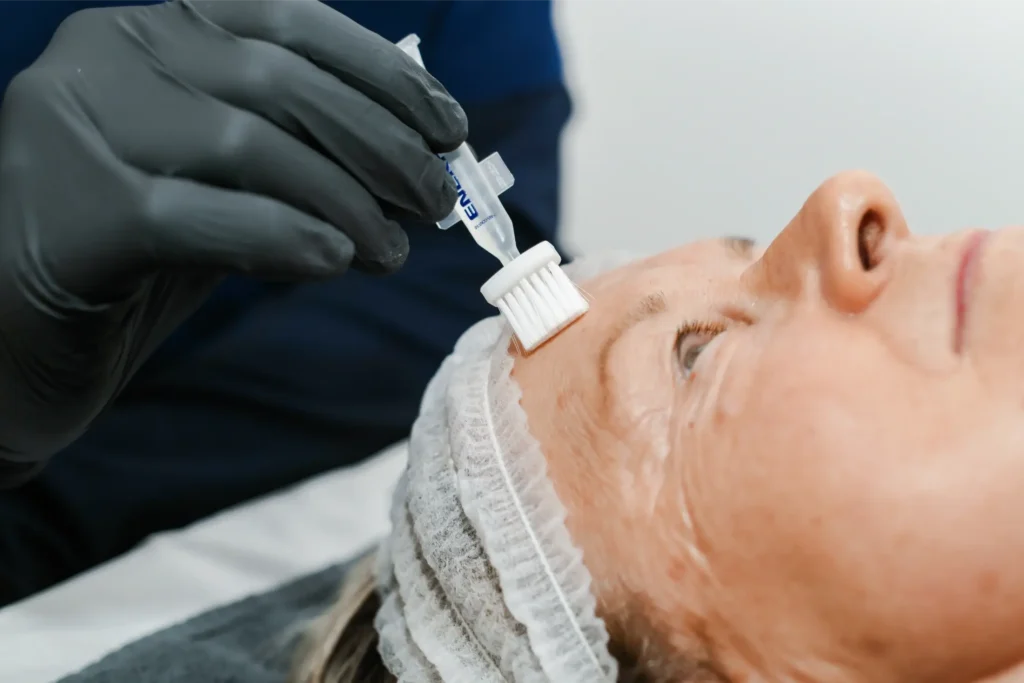
The chemical solution is applied in a thin, even layer. You may feel a tingling, warmth, or mild stinging, which usually fades quickly. - Neutralisation and soothing
After the correct contact time, the peel is neutralised or washed off, and a calming mask or serum is applied to soothe and hydrate.
Most appointments take around 30–40 minutes, depending on the peel type used.
How Your Skin Changes After a Chemical Peel
Results from a chemical peel treatment for dark spots develop over the following phases:
- Immediately after
Skin may look slightly red or flushed, similar to mild sun exposure. - Days 2–7
As the top layer of skin sheds, you may notice light flaking or peeling. Underneath, new skin appears brighter and more even. - Weeks 2–6
Pigmentation continues to fade, and texture improves as collagen production increases.
Most patients see the best results with a series of treatments spaced a few weeks apart. The exact number depends on your skin and how your dark spots respond.
We normally recommend spacing sessions so your skin has time to recover and regenerate fully between peels.
Aftercare Tips for Best Results
To maximise the effectiveness and safety of your chemical peel treatment for dark spots, follow these aftercare guidelines:
- Avoid sun exposure
Use a broad‑spectrum SPF daily and limit direct sunlight, especially in the first week. Unprotected sun can worsen pigmentation. - Avoid heat and intense sweating
Steer clear of saunas, hot yoga, and heavy exercise for 24–48 hours to reduce irritation and redness. - Do not pick or peel
Let flaking skin shed naturally. Picking can cause scarring or pigmentation problems. - Avoid harsh products
Skip retinoids, scrubs, and strong acids until your skin has fully settled, unless otherwise advised by your clinician. - Moisturise gently
Use a simple, fragrance‑free moisturiser to keep the skin barrier strong and comfortable.
Following these steps helps your skin heal well and improves the long‑term results of your peel.
Who Is a Good Candidate for This Treatment?
A chemical peel treatment for dark spots is suitable for many people, but not everyone. It tends to work best if:
- You have mild to moderate dark spots, sun spots, or age spots
- You are willing to protect your skin from the sun
- You can commit to a short but noticeable recovery with light peeling
People who are sensitive, breastfeeding, or have certain active skin conditions may need a different or more cautious approach. We always discuss your full medical history and skin condition before starting treatment.
Frequently Asked Questions
1. How many sessions will I need to see results?
Most patients achieve noticeable improvement over a course of 3–6 sessions, spaced several weeks apart. Deeper pigment or extensive sun damage may require more sessions for optimal results.
2. Is chemical peel treatment for dark spots painful?
You may feel tingling, warmth, or a mild stinging sensation during the peel, but this is usually short‑lived and well tolerated. Stronger peels are carefully tailored to your comfort level.
3. Can this treatment be used on other areas besides the face?
Yes. Chemical peel treatment for dark spots can be adapted for the neck, hands, chest, and other areas prone to sun damage or pigmentation.
4. What side effects should I watch for?
Common side effects include temporary redness, dryness, and flaking. In rare cases, peels can cause temporary darkening, lightening, or scarring if aftercare is not followed. That’s why it is important to have the treatment performed by a qualified professional.
5. How long do the results last?
Results can last for several months to a year, especially if you maintain good skincare habits and sun protection. Occasional maintenance peels may be recommended to keep skin looking even and bright.
If you are looking for a proven, non‑invasive way to fade dark spots and reveal smoother, brighter skin, chemical peel treatment for dark spots could be the right choice for you. Learn more about our peel options or book a consultation at The Hamble Clinic