The Guide to Microneedling Treatment: Sessions, Results and What Nobody Tells You
26 May 2026
If you’ve been researching face microneedling, chances are you’ve already seen the before and after photos, read the glowing reviews, and decided it might just be the treatment for you. But then comes the practical question that stops most people in their tracks: how many sessions will I actually need, and what is going to happen to my skin?
It is a fair question, and one we are asked almost every day at The Hamble Clinic. In this guide, we will give you an honest, straightforward answer so you can go into your treatment with the right expectations and, ultimately, the best possible results.
What Exactly Is Microneedling Treatment?
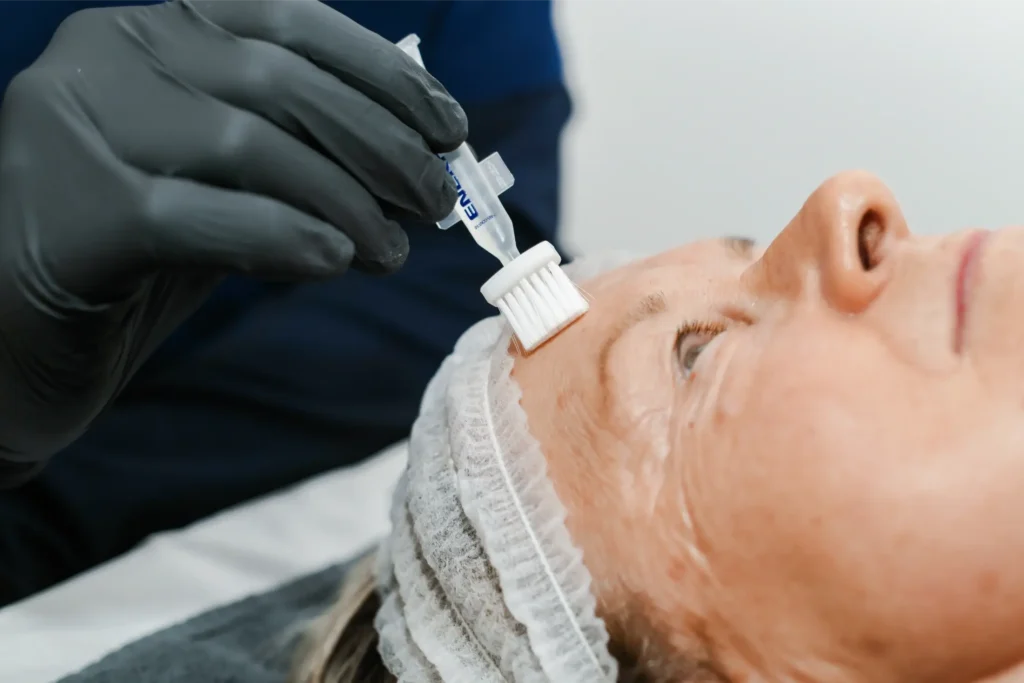
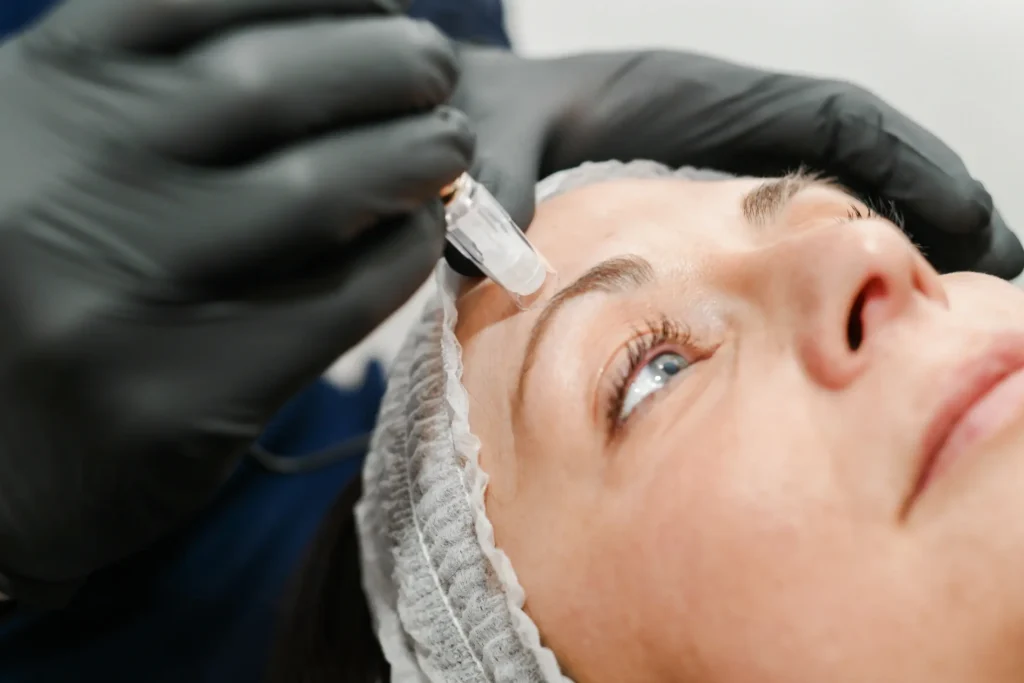
Microneedling, also known as collagen induction therapy, is a minimally invasive skin treatment that uses a medical-grade device fitted with ultra-fine sterile needles. These needles create thousands of tiny, controlled micro channels in the surface of the skin, triggering the body’s natural healing response.
The result? Your skin produces fresh collagen and elastin, the building blocks of firm, smooth, youthful-looking skin. It is not a quick fix or a temporary glow. It is a genuine structural improvement that develops over time.
Face microneedling can effectively address:
• Fine lines and early wrinkles
• Acne scars and post-breakout marks
• Uneven skin texture and enlarged pores
• Dull, tired-looking skin
• Mild skin laxity and loss of firmness
• Pigmentation and uneven skin tone
So, How Many Sessions Do You Actually Need?
This is the question. And the honest answer is: it depends on your skin concern and how your skin responds. But here is a clear framework to give you a realistic starting point.
General Skin Rejuvenation and Glow
If your main goal is brighter, smoother, more radiant skin, perhaps as part of a preventative skincare routine, most clients see excellent results from three sessions, spaced four to six weeks apart. Many people notice a visible improvement in skin quality after just their first session, with the full effects building over the following months.
Acne Scars and Deeper Skin Concerns
For more significant concerns, such as acne scarring, deeper lines or textural damage, a course of four to six sessions is typically recommended. Clinical studies suggest that acne scars can improve by 50 to 70% after a full course of professional microneedling. Patience is key here. Collagen remodelling takes time, and results continue to improve for up to six months after your final session.
Maintenance Treatments
Once you have completed your initial course, a single maintenance session every three to six months is often all that is needed to sustain your results. Think of it less like a one-off treatment and more like an investment in your skin’s long-term health.
What Happens During Your First Face Microneedling Session?
If you have never had a microneedling treatment before, here is exactly what to expect from start to finish.
Consultation: Your practitioner will assess your skin, discuss your concerns and tailor the treatment depth and technique to your specific needs.
Numbing cream: A topical anaesthetic is applied for around 20 to 30 minutes to ensure you are comfortable throughout.
The treatment: The microneedling device is passed gently across the skin. Most clients describe a mild pressure or vibrating sensation, rather than pain. The treatment itself typically takes 30 to 45 minutes.
Post treatment: A soothing serum or hyaluronic acid is applied immediately after treatment to support the skin’s healing. You will leave looking a little flushed, similar to mild sunburn, but this usually settles within 24 to 48 hours.
What Is the Downtime Like?
One of the reasons face microneedling has become one of the most popular treatments in the UK is the minimal downtime. Most clients return to work and daily life within 24 to 48 hours. You will want to avoid heavy make-up immediately after your session and keep the skin well moisturised and protected with SPF.
In the days following treatment, some light flaking or peeling is perfectly normal. It is simply the skin renewing itself. By day four or five, most people are through the initial healing phase and starting to notice that fresh, polished quality to their skin.
What Makes the Best Microneedling Treatment?
Not all microneedling is equal. The quality of your results comes down to three things: the device used, the depth and technique applied, and, most importantly, the skill and training of the practitioner delivering your treatment.
At a clinical level, the best microneedling treatments use medical-grade devices with adjustable needle depths, allowing the practitioner to precisely target different areas of the face at the appropriate depth for each concern. A skilled practitioner will not use the same settings on your delicate under-eye area as they will on a thicker-skinned area, such as the cheeks.
When choosing where to have your treatment, always look for:
• A medically trained or aesthetics-qualified practitioner
• A clinic that offers a proper consultation before treatment
• Transparent pricing and a clear treatment plan
• Before and after evidence from real patients
• Strict hygiene standards and sterile, single-use needles
Is Microneedling Right for You?
Microneedling is suitable for most skin types and tones, making it one of the most inclusive aesthetic treatments available. It is particularly well-suited to those who want real, lasting skin improvement without surgery or significant downtime.
It may not be recommended if you have active acne, certain skin conditions or are pregnant, which is exactly why a consultation with a qualified practitioner is so important before you begin.
Ready to See What Microneedling Can Do for Your Skin?
At The Hamble Clinic, our microneedling treatments are carried out by experienced, medically trained practitioners using professional-grade equipment. Every treatment begins with a thorough consultation so we can build a plan around your skin, not a one-size-fits-all approach.
Whether you are looking to restore a natural glow, address stubborn acne scars or simply invest in your skin for the long term, we are here to guide you through every step.
Find out more about our face microneedling treatment and book your consultation today.
Frequently Asked Questions
Does face microneedling hurt?
Most clients are pleasantly surprised by how comfortable face microneedling is. A topical numbing cream is applied before your session, which significantly reduces any sensation. During treatment, you may feel a mild vibrating pressure, particularly over bony areas like the forehead, but the majority of people find it very manageable. If you have any concerns about discomfort, simply let your practitioner know, and they can adjust accordingly.
How long does it take to see results from a microneedling treatment?
You may notice an initial glow within a few days of your first session as your skin begins its healing response. However, the deeper, more lasting results, such as improved texture, reduced scarring and firmer skin, develop gradually as your body produces new collagen. Most clients see meaningful improvements within four to six weeks of each session, with results continuing to build for up to six months after a full course of treatment.
Is microneedling suitable for all skin types?
Yes, one of the key advantages of professional microneedling is that it is suitable for most skin types and tones, including darker complexions that may not be candidates for certain laser treatments. It is, however, important to have a consultation with a qualified practitioner beforehand.
Microneedling is not recommended for those with active acne, open wounds or certain skin conditions, or during pregnancy. A proper skin assessment ensures the treatment is safe and appropriate for you.
What is the difference between at-home dermarollers and professional microneedling?
While at home dermarollers use a similar concept, they are not the same as a professional microneedling treatment, and the difference in results reflects that. Clinical devices use adjustable, sterile needles that penetrate the skin vertically with precision, reaching the depths needed to stimulate genuine collagen remodelling.
At home rollers use much shorter, less precise needles and cannot replicate the results of a medical-grade device. More importantly, professional treatment is carried out in a sterile environment by a trained practitioner, significantly reducing the risk of infection or skin damage.